

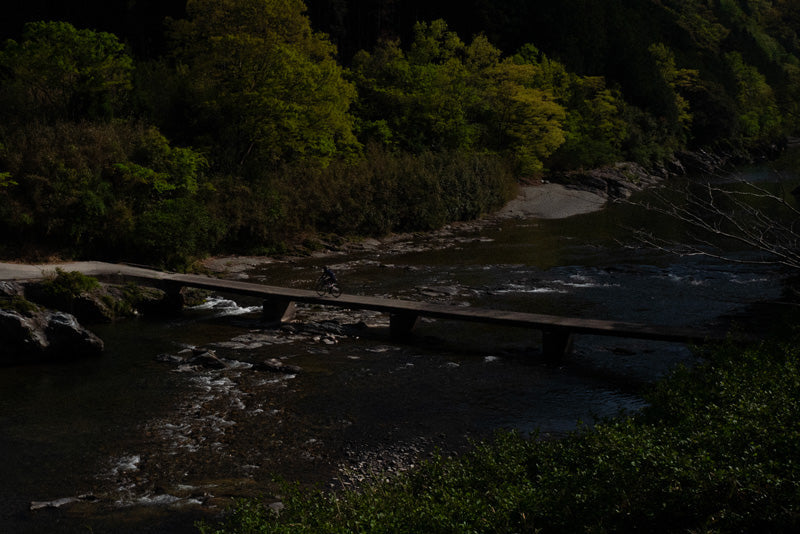
Wakayama, the Other Side
Text and photographs: Pascal Viout
Pascal Viout is a French art director who spent over a decade living in Japan. His work spans photography, film and brand direction — published in Rouleur Magazine and Tokyo TDC. Biography.
Some places don’t wait to be discovered. Wakayama is one of them. Three days. Ise, Yoshino, Koya — three names that ring like a sutra, three stages through a landscape you feel less like discovering than recognising. I had ridden these roads before — in 2018, in the darkness and effort of the Japanese Odyssey, 2,700 kilometres unsupported from south to north across the archipelago. I had passed through without really inhabiting them. Coming back to ride them differently was finally doing them justice.
2021. Japan had closed its borders, and these paths — already silent, already ancient — had become something closer to sacred. Untouched not by intent, but by circumstance. There is a quality of silence that only absence can produce.
A few kilometres before the pass that descends into Yoshino, there is a kissaten. A café as only Japan knows how to keep — frozen in time, faithful to itself, indifferent to whatever passes outside. You push open the door. The owner is alone. The room is empty. And from an old radio somewhere behind the counter, Elvis is singing. Softly, without irony. There is nothing left to say that the road hasn’t already said.
Riding here means accepting a certain dissolution of the self. The climbs are long, the descents careful, and the solitude is never heavy — it is clean, almost generous. You sense that the forest is inhabited. A rustle, a glimpsed silhouette, something crossing. The wildlife doesn’t show itself — it lets itself be guessed at.
The Japanese have a concept — mono no aware — the bittersweet awareness of impermanence. Not quite melancholy. More like a sharpened attention. Here, pedalling through a forest that has no interest in your presence, it arrives uninvited.
On the last day, we left Koya-san from below. The valley opened up, the river appeared, and we followed it all the way down to Wakayama City — the noise returning slowly, like a memory you weren’t in any hurry to meet again.


Read more
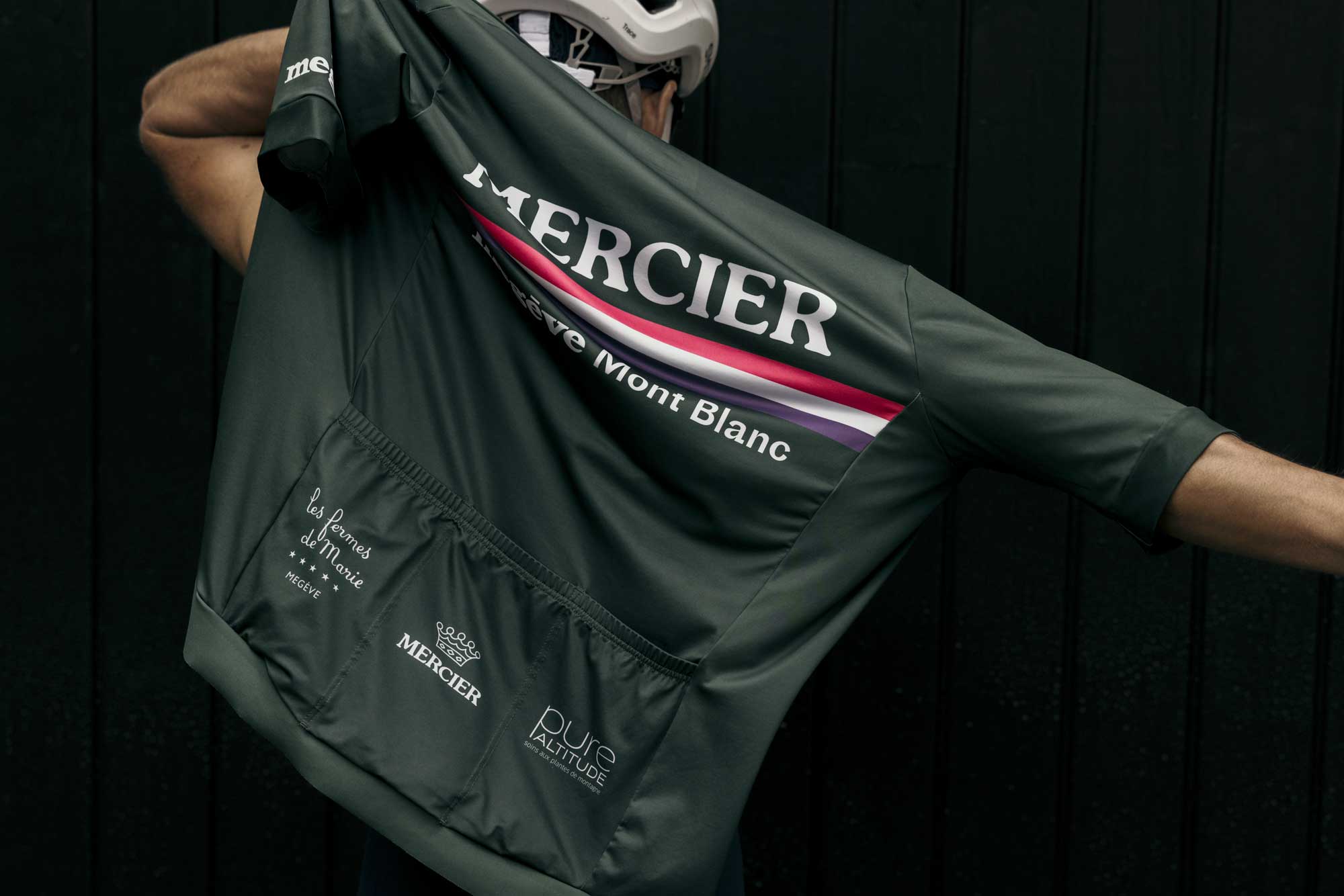
Manufacture Mercier is the official partner of Megève Mont-Blanc 2026 and is creating the official jersey given to every participant. Join us on 23 August 2026 for this legendary cyclosportive in t...
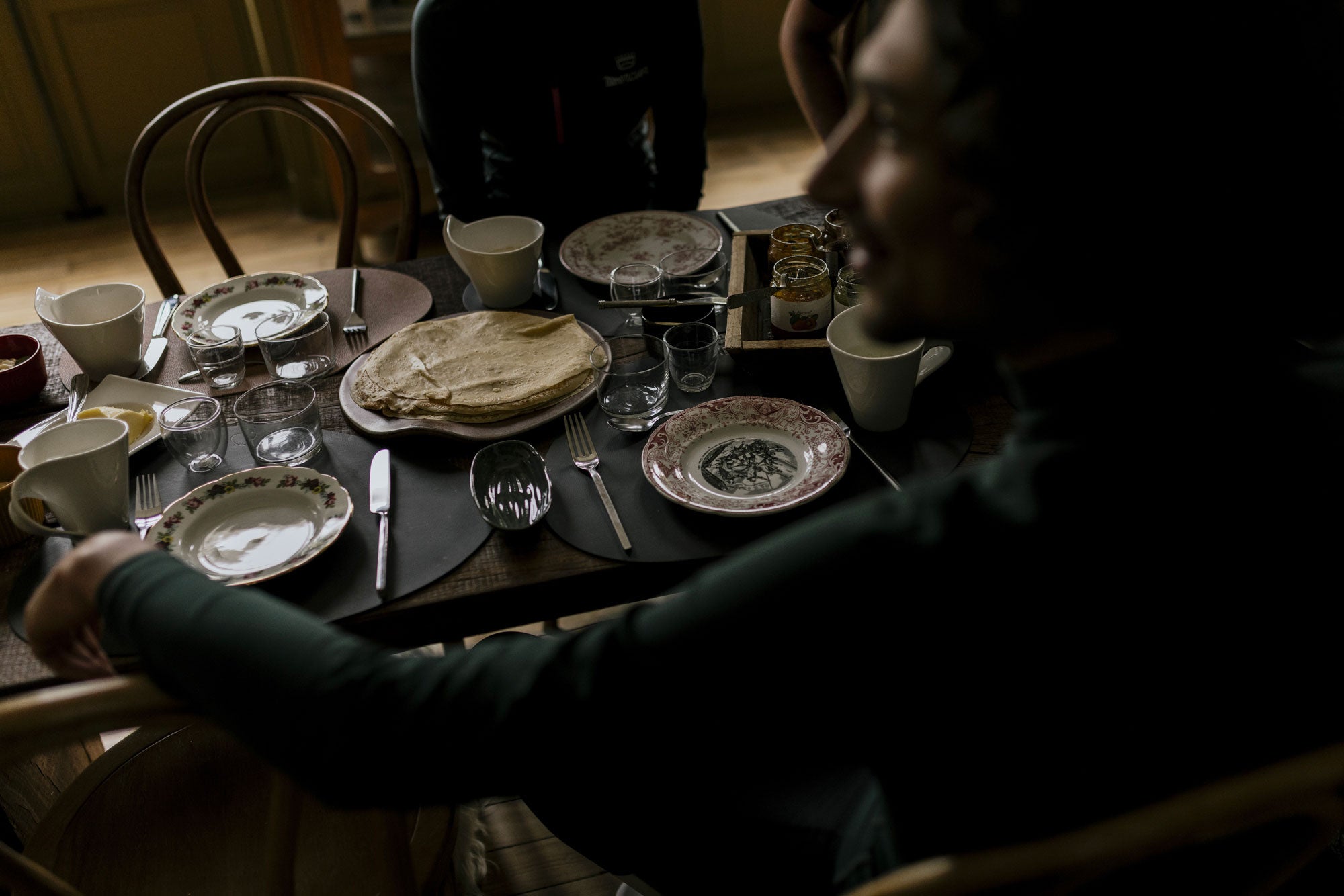
Once a year, Mercier gathers its friends. This year, destination Saint-Malo: three days on Breton roads, from the Pointe du Grouin to Mont-Saint-Michel, from the Rance valley to Cap Fréhel.